
Back Pain Treatment
in Werribee
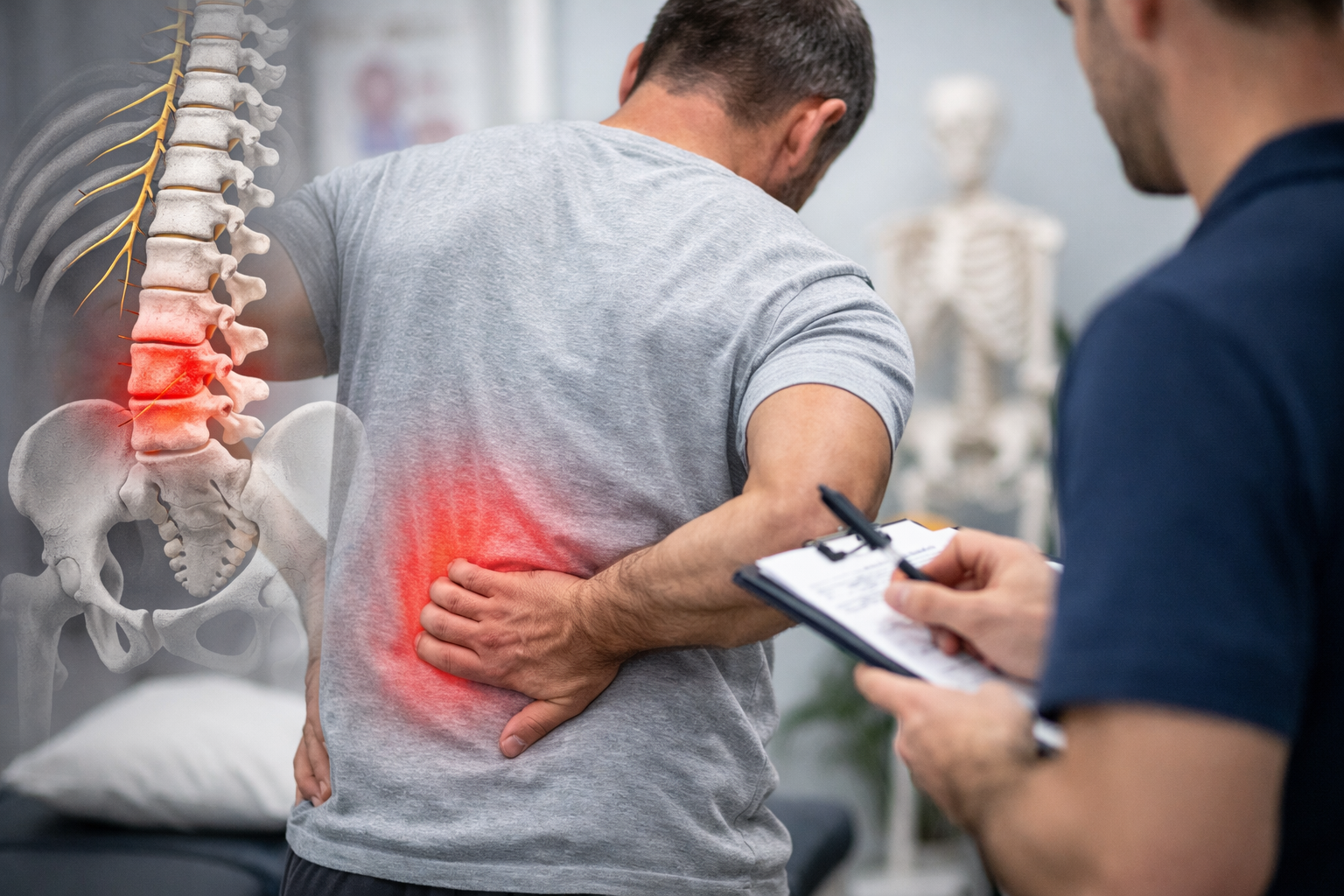
Assessment-led remedial massage and soft tissue therapy for persistent back pain
Back pain is one of the most common reasons people seek treatment and one of the most complex.
For many people, back pain isn’t caused by a single incident.
It often develops gradually through repeated loading, restricted movement, fatigue, and compensation patterns that build up over time.
At K-Flow Therapy, back pain is approached by first understanding why your back is under stress, not just treating the painful area.
Common Types of Back Pain I See in Clinic
Back pain can present in many different ways, including:
Ongoing lower back stiffness or tightness
Pain with bending, lifting, or twisting
Discomfort after long periods of sitting or standing
Back pain linked with hip tightness or reduced mobility
Flare-ups during training, work, or daily activity
In many cases, the pain itself is only one part of a bigger picture.
Why Back Pain Often Keeps Coming Back
Back pain is rarely just about “tight muscles.”
Common contributing factors include:
Limited movement through the hips or thoracic spine
Certain muscles working harder to compensate for restricted areas
Reduced tissue tolerance due to ongoing physical or mental stress
Increased nervous system sensitivity after repeated flare-ups
When these factors aren’t addressed, the body continues to rely on the same protective strategies — and pain tends to return.
How Back Pain Is Assessed at K-Flow Therapy
Every session starts with understanding how your body is responding to load and movement.
Assessment may involve:
Discussing when and how your pain started
Identifying movements that aggravate or ease symptoms
Noting areas of excessive tension or restriction
Looking at how your back interacts with your hips and lower body
This helps guide treatment toward the tissues and patterns most relevant to your symptoms.
Treatment Approach for Back Pain
Treatment is tailored to your presentation, not just the label “back pain.”
Depending on your needs, sessions may include:
Remedial massage to address excessive muscle tone and fatigue
Soft tissue techniques to improve tissue glide and movement comfort
Dry needling, where appropriate, to reduce local sensitivity and overactivity
The aim is not to force change, but to reduce unnecessary load and help your back tolerate movement more comfortably again.
Movement, Recovery, and Ongoing Management
Hands-on treatment works best when combined with sensible recovery.
Where appropriate, I may also provide:
Simple movement or mobility suggestions
Advice around training load, work demands, and recovery
Guidance on when to ease back into activity and when to temporarily modify it
These recommendations are kept practical and realistic not overwhelming.
When Back Pain Requires Medical Review
Most back pain responds well to conservative care, but some symptoms need further investigation.
Seek medical attention if you experience:
Progressive or unexplained weakness
Loss of bladder or bowel control
Severe or worsening nerve-related symptoms
Not Sure If This Describes Your Back Pain?
That’s very common.
Back pain doesn’t always fit neatly into one category, and symptoms often overlap with hip, nerve, or postural issues.
An initial consultation allows us to assess your situation properly and decide on the most appropriate approach.