
Foot and Heel Pain Treatment
in Werribee
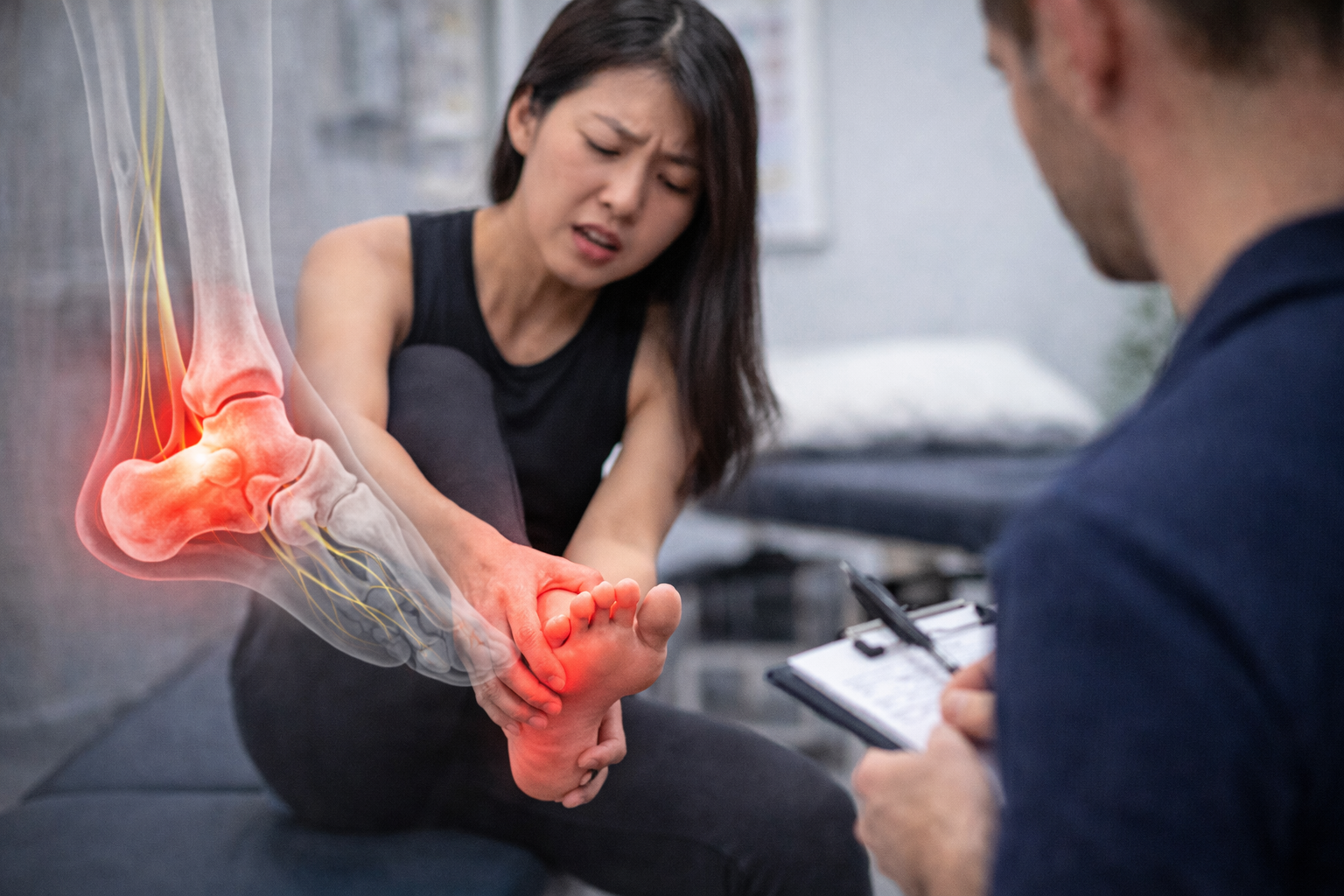
Assessment-led remedial massage and soft tissue therapy for foot and heel pain
Foot and heel pain often starts small, a sore heel in the morning, tightness after a long day, or discomfort during walking or running.
But over time, these symptoms can change how you move and place extra stress on everything above the foot.
Because the foot is responsible for absorbing and transferring load, even minor irritation can affect the ankle, knee, hip, and lower back.
At K-Flow Therapy, foot and heel pain is approached by understanding how the foot is managing load, rather than focusing on the painful spot alone.
Common Foot & Heel Pain Issues I See in Clinic
Foot and heel pain can present in many ways, including:
Heel pain, especially with the first steps in the morning
Plantar fascia irritation or arch discomfort
Soreness through the sole of the foot
Pain that worsens after prolonged standing or walking
Discomfort linked with running, gym training, or work demands
Symptoms affected by footwear or hard surfaces
In many cases, heel pain is a sign that the foot is under more load than it can comfortably tolerate.
Why Foot & Heel Pain Often Persists
Foot and heel pain is rarely caused by one structure alone.
Common contributing factors include:
Reduced movement through the foot and ankle
Tightness or fatigue through the calf muscles
Poor shock absorption or load distribution
Repetitive stress without adequate recovery
Sudden increases in activity or standing time
When these factors aren’t addressed, symptoms tend to settle and flare repeatedly.
How Foot & Heel Pain Is Assessed at K-Flow Therapy
Assessment focuses on how your foot responds to everyday demands.
This may include:
When your pain appears and how it behaves during the day
Activities or positions that aggravate or ease symptoms
Areas of excessive tension or restriction
How your foot, ankle, and lower leg work together under load
This helps guide treatment toward what’s actually contributing to your pain.
Treatment Approach for Foot & Heel Pain
Treatment is tailored to your presentation and symptom response.
Depending on your needs, sessions may include:
Remedial massage to reduce tension through the foot and lower leg
Soft tissue techniques to improve tissue mobility and load tolerance
Dry needling, where appropriate, to reduce overactivity in contributing muscles
The aim is not to “fix” the foot, but to reduce unnecessary strain and help it tolerate daily activity more comfortably.
When Foot & Heel Pain Needs Medical Review
Most foot and heel pain responds well to conservative care, but medical review is recommended if you experience:
Sudden pain following trauma
Ongoing swelling, redness, or heat
Symptoms that continue to worsen despite rest
Not Sure If Your Foot or Heel Pain Is the Main Issue?
That’s very common.
Foot and heel pain often overlaps with calf tightness, ankle stiffness, knee pain, or lower back symptoms.
An initial consultation allows us to assess what’s contributing to your pain and choose the most appropriate approach.