
Shin and Knee Pain Treatment
in Werribee
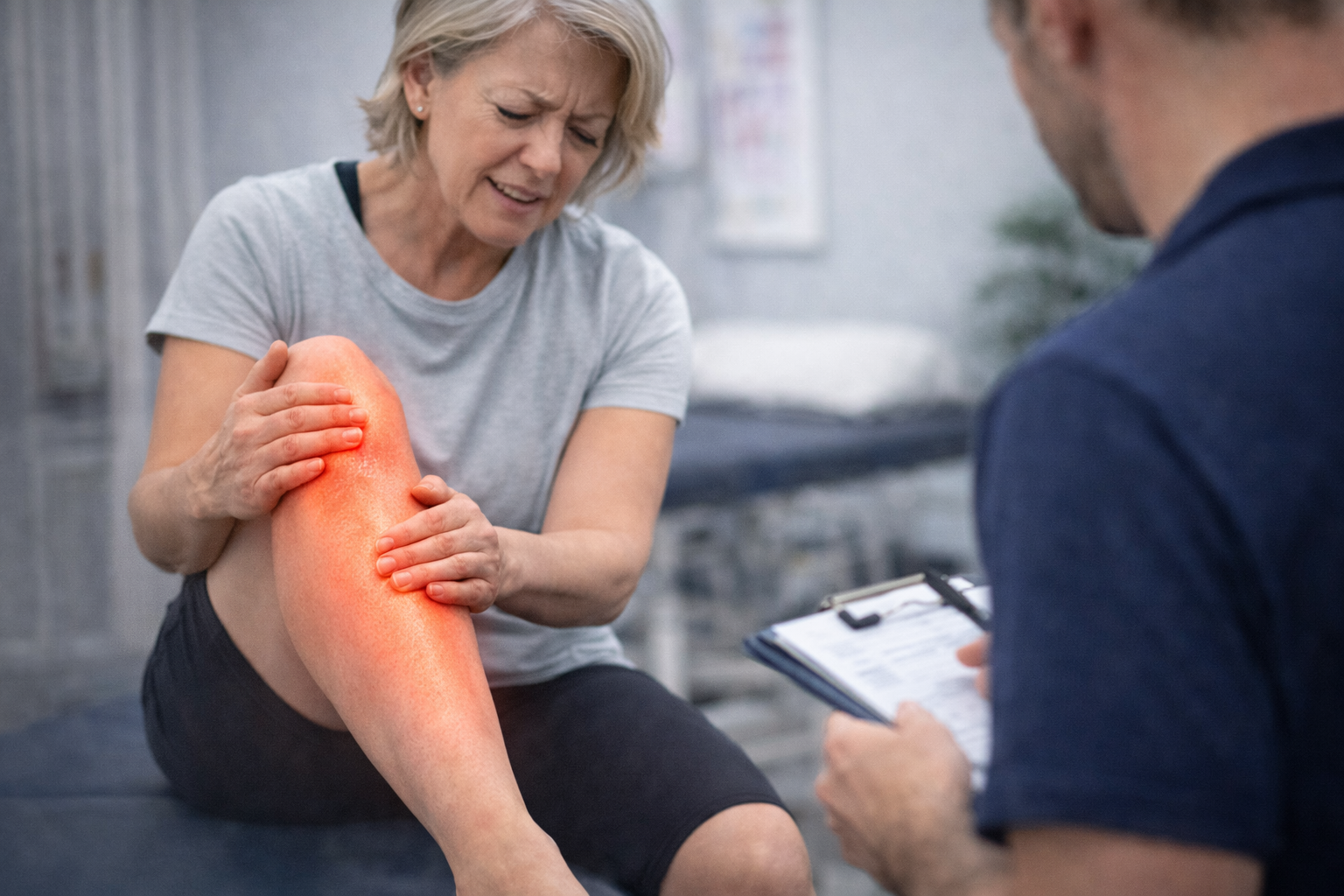
Assessment-led remedial massage and soft tissue therapy for shin and knee pain
Shin and knee pain often develops gradually rather than from a single injury.
Many people notice discomfort during walking, running, gym training, or long periods on their feet.
Over time, pain through the shin or knee can change how you move and place extra stress on surrounding joints and tissues.
At K-Flow Therapy, shin and knee pain is approached by understanding how load is being absorbed and transferred through the lower limb, not just treating the painful area.
Common Shin & Knee Pain Issues I See in Clinic
Shin and knee pain can present in different ways, including:
Dull or aching pain along the shin
Tenderness or tightness through the lower leg
Knee pain during stairs, squatting, or prolonged walking
Discomfort that builds with activity and settles with rest
Symptoms linked with running, sport, or repetitive work
Pain influenced by footwear or training load
In many cases, pain reflects how stress is being managed through the lower limb rather than a single damaged structure.
Why Shin & Knee Pain Often Persists
Shin and knee pain is rarely caused by the knee or shin alone.
Common contributing factors include:
Reduced movement through the ankle or foot
Tightness or fatigue through the calf and lower leg muscles
Poor load distribution through the lower limb
Sudden increases in training or work demands
Limited recovery between repeated loading
When these factors aren’t addressed, symptoms often settle temporarily and then return.
How Shin & Knee Pain Is Assessed at K-Flow Therapy
Assessment focuses on how your lower body responds to load.
This may include:
When your pain appears and what aggravates it
How symptoms change during and after activity
Areas of excessive tension or restriction
How your foot, ankle, knee, and hip work together
This allows treatment to target the tissues and patterns most relevant to your symptoms.
Treatment Approach for Shin & Knee Pain
Treatment is guided by assessment and symptom response.
Depending on your presentation, sessions may include:
Remedial massage to reduce excessive muscle tension
Soft tissue techniques to improve tissue mobility and load tolerance
Dry needling, where appropriate, to reduce overactivity in contributing muscles
The aim is not to “fix” the knee or shin, but to reduce unnecessary strain and help the lower limb tolerate movement more comfortably.
Load Management, Recovery, and Movement
Shin and knee pain is often influenced by how quickly the body is asked to adapt to load.
Where appropriate, I may also provide:
Guidance on managing training, walking, or work demands
Advice around footwear and surface exposure
Simple strategies to reduce flare-ups without stopping all activity
These recommendations are kept practical and realistic.
When Shin & Knee Pain Needs Medical Review
Most shin and knee pain responds well to conservative care, but medical review is recommended if you experience:
Sudden swelling or instability
Persistent pain following trauma
Symptoms that continue to worsen despite rest
Not Sure If Shin or Knee Pain Is the Main Issue?
That’s very common.
Shin and knee pain often overlaps with foot pain, calf tightness, hip stiffness, or lower back symptoms.
An initial consultation allows us to assess what’s contributing to your pain and decide the most appropriate approach.